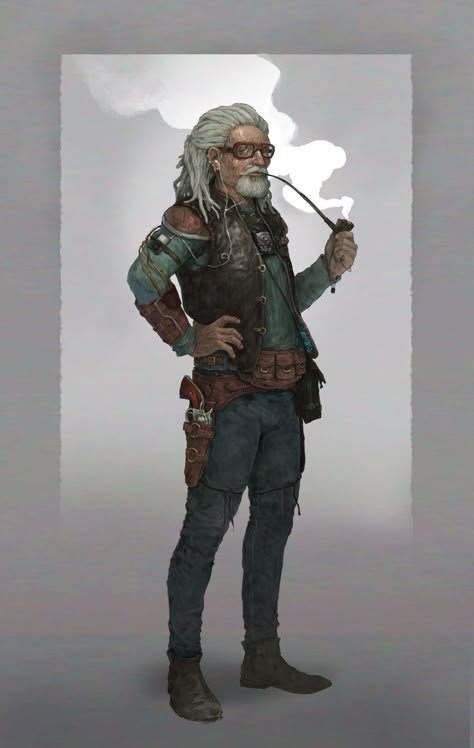
Ever read a story where the characters felt… interchangeable? Like you could swap the gritty detective for the brave knight and the plot wouldn't skip a beat? That's often the tell-tale sign of generic character traits, a missed opportunity to truly bring a world to life. The truth is, the very essence of a compelling narrative, especially across genres like Fantasy, Sci-Fi, or RPGs, hinges on characters whose personalities aren't just unique, but are specifically shaped by the worlds they inhabit. From a wizard's deep-seated reverence for ancient ley lines to a starship captain's pragmatic distrust of new AI, genre-specific traits are the secret sauce that makes every story not just good, but unforgettable.
At a glance
- Characters are the heart: They drive plot, create empathy, and make stories memorable.
- Generic isn't enough: Basic "brave" or "kind" traits fall flat without genre context.
- Genre shapes personality: A character's world, magic, tech, or history dictates unique fears, skills, and values.
- Fantasy: Think magic conduits, ancient lineage, or fierce loyalty to a guild.
- Sci-Fi: Consider their relationship with AI, interplanetary travel, or technological ethics.
- Mystery: Focus on their investigative methods, moral code, or hidden motives.
- Romance: Explore their love language, past heartbreaks, or emotional walls.
- Action-Adventure: Highlight survival instincts, pursuit of glory, or reaction to danger.
- Horror: Delve into their coping mechanisms, deepest fears, or capacity for cruelty.
- Historical: Understand how their era, culture, and major events mold their worldview.
- RPG: Traits often define gameplay mechanics, class choices, and narrative arcs.
- Balance is key: A mix of positive and negative traits creates believable, complex individuals.
- Use templates: Character sheets help maintain consistency and deepen development.
Why Characters Anchor Every Great Story
Before we dive into the specifics of genre, let's acknowledge a fundamental truth: characters are the beating heart of any narrative. They aren't just puppets acting out a plot; they are the story. Distinctive character traits are what build a strong characterization, revealing personality, informing relationships, and driving the very conflicts that keep readers glued to the page.
Think about it: a character’s courage might drive them to face a dragon, while their resilience helps them recover from a betrayal. Their wit can disarm a tense situation, and their integrity can define their choices in the face of temptation. As Prowritingaid.com points out, traits motivate actions, generate empathy, and shape growth arcs. Without a rich tapestry of traits—a mix of the admirable, the flawed, and even the contrasting—characters can feel flat, making it hard for readers to truly invest in their journey. We need to see the full spectrum of humanity within them, the light and the dark, to believe in their reality.
Beyond the Stereotype: The Call for Genre-Specific Depth
It's one thing to say your character is "brave." It's another entirely to define how they are brave in a specific context. Is their bravery the reckless abandon of a warrior facing a horde of goblins, fueled by generations of martial tradition? Or is it the quiet, ethical courage of a scientist defying a totalitarian regime to protect a dangerous truth? These nuances are where genre-specific character traits truly shine.
Generic positive traits like kindness or intelligence are excellent building blocks, but they only scratch the surface. To make a character truly belong in their world, their traits must resonate with the unique challenges, opportunities, and limitations of that genre. A "knowledgeable" character in a fantasy setting might possess vast lore of ancient magic, while a "knowledgeable" character in sci-fi might be an expert in xenolinguistics or quantum physics. These aren't just superficial details; they inform their actions, their worldview, and how they interact with their environment.
Building Your Character's Blueprint: The Power of a Template
Brainstorming traits can feel overwhelming, but tools exist to make it manageable. Character template sheets, like those described by Plottr.com, are invaluable for mapping out a character's internal and external landscape. They help you move beyond basic facts to explore deeper details like desires, fears, misbeliefs, and ideals.
Think of it as your character's DNA. A detailed profile ensures consistency, preventing your character from acting out of "character" in crucial moments. It enhances development, allowing you to create rich, believable individuals who evolve authentically throughout your story. Whether you use a pre-made template or generate character traits from scratch, having a reference guide keeps your characters grounded and realistic, no matter how fantastical their world.
Fantasy Characters: Woven with Magic and Myth
Fantasy worlds are rich tapestries of magic, ancient lore, and often rigid societal structures. The characters populating these realms should reflect that complexity.
Magical Abilities & Mystical Lineages
For a fantasy character, their relationship with magic isn't just a skill; it's often a defining trait.
- Magical Abilities: Do they possess innate power or learned spells? What's their skill level (novice, adept, master)? Is their magic tied to a conduit like a staff or a sacred amulet? What are its limitations or costs? Their "first magic memory" or "worst magic memory" can reveal deep-seated fears or passions. Is their alignment good, malicious, or morally gray? Do they love their magic or feel frustrated by its burden?
- Family, Mentorship, Lineage: Fantasy often revolves around powerful houses, ancient races, or revered guilds. Who influenced them most? Do they uphold or reject their traditions? What legacy expectations weigh on them? Are there family secrets or rivalries? Their group's attitude toward their abilities, or how outsiders view their heritage, adds immense depth. An heirloom isn't just an object; it's a symbol of their past and often their destiny.
Example: Elara, a half-elven sorceress, possesses innate elemental magic but struggles with its chaotic nature, a trait inherited from her volatile human father, whom her elven family disowned. She feels the legacy of her powerful elven grandmother, a renowned healer, but her own magic manifests as destructive fire and earth, leading to deep shame and a fear of losing control. She constantly battles the expectation to become a "gentle" mage, instead embracing the raw power that once saved her found family from a troll attack.
In many RPGs, these traits directly translate to character classes (Mage, Warrior, Rogue), racial abilities (Darkvision for elves, Stonecunning for dwarves), and alignment (Lawful Good, Chaotic Evil), deeply influencing gameplay and role-playing choices. Their lineage might unlock special quests or reveal hidden talents, making the world respond to who they are, not just what they do.
Sci-Fi Characters: Navigating Future Frontiers
The vastness of space, the march of technology, and the ethical dilemmas of progress define the sci-fi landscape. Characters here are shaped by how they interact with the unknown and the cutting edge.
Technology, Progress, and Connection Across the Cosmos
Sci-fi characters are often defined by their relationship with technological advancements and new forms of life.
- Technology & Progress: How do they feel about new technology? Do they embrace it with zeal or view it with suspicion, perhaps having witnessed its destructive potential? What major scientific changes have they seen, and how have those impacted their life? What role do AI or robots play in their society, and do they trust automation implicitly? The loss of an "essential invention" could be a deeply traumatic event for them.
- New Forms of Connection, Travel, Possibility: How do they treat alien or synthetic life forms? What are the pressures on relationships in a galaxy-spanning civilization? Do they yearn for or dread inter-planetary travel? What challenges do they face in connecting with other lifeforms, perhaps due to language barriers or vastly different psychologies? The impact of new tools like telepathy or neural links on their personal identity, or their views on colonization, can reveal profound moral stances. Do they believe in mind uploading or body swapping? How do they handle loneliness and distance from home?
Example: Captain Jax, a former asteroid miner, views all new AI with a healthy dose of skepticism after an automated drill malfunction nearly killed his crew. He’s seen countless scientific marvels but laments the loss of "hands-on" engineering skills. He treats alien life with cautious respect, having learned the hard way that cultural norms vary wildly across systems. Despite his gruff exterior, he’s deeply affected by the distance from his family on Mars and uses outdated, physical letters rather than instant neural links to stay connected, clinging to human tradition in a rapidly evolving universe.
These characters often face ethical dilemmas tied to technology. Their skepticism or zeal can drive their entire arc, making them either champions of progress or staunch defenders of humanity's past.
Mystery & Crime Characters: Shadows, Secrets, and Sleuths
In the world of mystery and crime, trust is a luxury, and every detail matters. Characters are defined by their investigative prowess, their moral compass, and the secrets they keep.
The Sleuth and the Suspect: A Dance of Truth and Deception
Solving a mystery requires specific skills, while suspects reveal themselves through their reactions and hidden truths.
- Sleuth Traits: What are their specialist skills—forensics, psychology, code-breaking, or a knack for reading body language? What's their biggest flaw, and how does it impact their investigation? Who is in their support network? Do they rely on gut instinct or methodical evidence collection? How do they react under pressure, especially when the clock is ticking or their life is on the line? What motivates them to pursue justice (or revenge)? What's their moral code, and do they ever bend it?
- Suspect Qualities: What's their link to the case? Do they have a solid alibi, or are there contradictions in their story? What's their motive, and do they have opportunities? What distinguishing features make them stand out? How reliable is their information? What hidden truths are they protecting? How do they react emotionally during questioning—cool and collected, or flustered and defensive?
Example: Detective Eva Rostova, known for her photographic memory and uncanny ability to spot patterns, harbors a deep-seated fear of enclosed spaces, a flaw that often puts her at risk in tight crime scenes. She relies on her grizzled partner, a former beat cop, as her emotional anchor. Eva's moral code is unwavering: find the truth, no matter the personal cost, a trait born from her own family’s tragic brush with injustice. She approaches suspects with an almost clinical detachment, observing every micro-expression, determined to peel back their protective instincts.
The best mystery characters aren't just intelligent; they're driven by specific neuroses, personal codes, or past traumas that make their pursuit of truth unique. For players in an RPG, these traits might translate into skills like "Investigation," "Insight," or "Deception," allowing them to uncover clues or interrogate NPCs.
Romance Characters: Hearts, Hurdles, and Happily Ever Afters
Romance thrives on connection, conflict, and the journey to intimacy. Characters in this genre are defined by their emotional landscape, their past relationships, and their deepest desires.
Attraction, Conflict, and the Language of Love
The path to romance is rarely smooth, shaped by preferences, past hurts, and how characters express themselves.
- Attraction, Conflict, Dating History: What are their ideal partner preferences, and what are their biggest turn-offs? What's their "love language"—words of affirmation, acts of service, physical touch? What are their most painful or traumatic past relationships? How do they handle conflict in a relationship? What "misbeliefs" do they hold about love, perhaps from childhood experiences or media portrayals? What emotional baggage do they carry? What boundaries would they never cross for a partner?
- Behavior, Fears, Desires: How do they behave around someone they desire? Is their public persona different from their private conduct when falling in love? What are their worst fears in a new relationship—rejection, abandonment, losing themselves? What are their relationship aspirations? Do they have emotional walls they've built up? Do they tend to idealize partners or sabotage relationships? What's their flirting style? What meaningful gestures of affection do they offer or desire? What hidden secrets do they keep from potential partners?
Example: Liam, a charming but commitment-phobic baker, secretly longs for stability after a childhood of constant upheaval, a desire he masks with witty banter and an endless string of casual dates. His biggest turn-off is neediness, a remnant of a past relationship where he felt suffocated. He expresses affection through acts of service, baking elaborate cakes, but struggles with verbal affirmations. He builds emotional walls the moment a relationship gets serious, fearing abandonment, a pattern he desperately wants to break but doesn't know how.
Romantic characters need layers: their ideal partner, their relationship fears, and their inner struggles are just as important as their outward charm. These traits make the "meet-cute" more meaningful and the "will-they-won't-they" tension palpable. In an RPG, these might be "Charisma" skills, "Perception" checks to understand intentions, or even backstory elements that create reputation or relationship bonuses/penalties with NPCs.
Action-Adventure Characters: Thrills, Peril, and Purpose
Action-adventure characters live life on the edge, driven by high stakes, grand quests, and often, a hunger for glory. Their traits revolve around survival, risk, and ambition.
Danger, Survival, and the Pursuit of Glory
When the world is a dangerous playground, a character’s response to peril defines them.
- Danger, Survival, Risk: How do they truly feel about danger and risk? What types of threats are they most prepared for, and which ones paralyze them? What are their specific survival skills or training? What are their fears when facing death? How do they react under extreme pressure—do they become razor-focused or crack? Do they prioritize self-preservation or helping others? What are their personal "rules" for survival?
- Pursuit, Glory, Ambition: What drives them to action, adventure, or conflict? How do they measure success—survival, wealth, fame, a quiet sense of accomplishment? What's their ultimate goal or dream? How concerned are they with their reputation or legacy? Do they desire glory, or prefer to work in the shadows? How do they react to rivals or competitors? What temptations might derail them?
Example: Zara, a former special forces operative turned treasure hunter, thrives on the adrenaline of high-stakes environments, a coping mechanism for past trauma. She’s exceptional at urban combat and extraction but struggles with wilderness survival, a fact she keeps hidden. Under pressure, she becomes hyper-focused, capable of split-second decisions that prioritize her team's survival over her own. Her drive for adventure isn't glory but a quest for artifacts that she believes can redeem her past failures, a pursuit that has led to countless injuries and a few haunting regrets.
Action-adventure characters are defined by their internal resilience and external capabilities. Their motivations for seeking danger, whether it's for personal gain, a moral crusade, or simply the thrill, shape their journey. For an RPG, these manifest as combat skills, stealth abilities, feats, and the character's alignment within a larger cause or faction.
Horror Characters: Facing the Abyss Within and Without
Horror plunges characters into their deepest fears, forcing them to confront the monstrous—both external and internal. Their traits are about vulnerability, coping, and the potential for corruption.
The Victim, the Survivor, and the Villain: Echoes of Fear
In horror, characters reveal themselves through their reactions to terror and the nature of evil they embody or face.
- Main Character (Victim/Survivor) Traits: How do they react to fear or the unknown? What are their defining fears (claustrophobia, abandonment, clowns)? What past trauma might be triggered by current events? What coping habits do they resort to under stress? What attachments raise the stakes for them (a child, a beloved pet)? Do they fight, flee, freeze, or submit? How do their beliefs or superstitions color their interpretation of events? What sacrifices are they willing to make for survival, and what values are unbetrayable?
- Villain/Evil Character Traits: What truly motivates their cruelty, violence, or evil? Do they see themselves as righteous, or purely malevolent? What type of evil do they embody—monstrous, manipulative, supernatural? What's their methodology (rules, toying with victims, methodical, random)? How do they view fear itself—as a weapon, a game, or something deeper? What are their embodied fears, and what is their greatest weakness? What is their origin or backstory?
Example: Amelia, a normally meek librarian, freezes when confronted by the unknown, a trauma response from a childhood car accident. Her defining fear is helplessness. She clings to rational explanations, even as sanity unravels around her, a coping mechanism that slowly crumbles under supernatural pressure. She would sacrifice anything for her younger sister, who is also trapped, but will not betray her core belief in human dignity, even when facing true evil. The entity hunting them, a spectral being, is driven by a desire for forgotten memories, viewing fear as a meal, growing stronger with each scream, its greatest weakness a long-lost lullaby.
In horror, characters don't just react; they deteriorate, adapt, or transform. Their flaws become vulnerabilities, and their strengths become their only hope. This genre excels at showing the psychological toll of extraordinary circumstances.
Historical Characters: Echoes from the Annals of Time
Historical narratives immerse us in bygone eras, making characters products of their time. Their traits are shaped by specific social, political, and cultural forces.
Recorders, Subjects, and the Unfolding Past
Historical characters are often defined by their era's constraints, beliefs, and the way history remembers them.
- Recorder of History/Historian Traits: What drives them to record, protect, or explain history? What are their biases, and how do they impact their interpretations? What omissions do they make, and why? Do they prioritize storytelling or absolute accuracy? How do political, cultural, or personal forces shape their view of the past? What criteria do they use for historical remembrance? How do they handle historical gaps—do they invent, infer, or stay silent?
- Historical Subject Traits: What era, location, and social conditions shaped their upbringing? What dominant beliefs (religious, political, scientific) shaped their worldview? What personal freedoms did they have, and what societal limits did they face? What period-specific values (loyalty, conquest, faith, innovation) defined them? What prejudices or assumptions did they hold, typical of their time? Did they resist or conform to customs? How did major life-shaping events (war, plague, revolution) impact them? How did they view authority, tradition, or change?
Example: Eleanor Vance, a suffragette in early 20th-century London, was shaped by the rigid class system and limited roles for women of her era. Her unwavering determination was fueled by her mother's quiet suffering and the prevailing belief that women were intellectually inferior. She challenged traditions, facing ridicule and arrest, driven by a period-specific value of social justice that was only just beginning to take hold. Her personal dreams of becoming a doctor clashed with societal limits, forcing her to channel her intelligence into activism, leading her to question official records that consistently minimized women's contributions.
Historical characters require a deep understanding of their context. Their moral struggles, ambitions, and even their prejudices must feel authentic to their time. For an RPG set in a historical period, traits might include "Diplomacy" for court intrigue, "Survival" for exploration, or specific "Craft" skills relevant to the era, all colored by the character's social standing and beliefs.
The RPG Angle: Empowering Player Choice & Narrative Depth
Role-Playing Games (RPGs) take genre-specific character traits to another level by making them interactive. While a novelist dictates a character's traits, an RPG empowers the player to choose them, and then experience their consequences.
In RPGs, genre traits aren't just descriptive; they're often mechanics.
- Classes & Archetypes: A "Paladin" in a fantasy RPG comes with inherent traits like devotion, justice, and often a code of conduct. A "Tech-Priest" in a Sci-Fi RPG embodies reverence for machinery and a distrust of organic weakness. These archetypes provide a foundational set of traits that players then customize.
- Stats & Skills: Beyond conceptual traits, RPGs quantify them. "Strength" and "Constitution" might define a fighter's resilience, while "Intelligence" and "Wisdom" define a wizard's magical prowess or a detective's keen observation. "Charisma" is vital for charming royals in fantasy or negotiating trade deals in sci-fi.
- Alignment & Morality: Many RPGs explicitly use alignment systems (Lawful Good, Chaotic Evil, etc.) which are essentially codified genre-specific ethical traits. A Lawful Good character might refuse to lie even to save their life, while a Chaotic Evil one might betray allies for personal gain.
- Backstory & Choices: Player-chosen backstories (e.g., "Noble background," "Urchin," "Hermit") imbue characters with immediate genre-relevant traits, offering unique dialogue options, quest opportunities, or reputation bonuses/penalties. Every choice a player makes, from how they react to an NPC to which faction they join, further solidifies their character's genre-specific identity.
The magic of RPGs lies in how these chosen traits directly influence the narrative, allowing players to truly role-play their unique character within the genre's framework, whether they're a wise elven scholar or a cynical space smuggler.
The Nuance of Humanity: Blending Light and Shadow
No matter the genre, truly compelling characters draw upon the full spectrum of human experience, balancing virtues with flaws. It’s the intricate blend of light and dark that creates realistic, multi-dimensional individuals.
Embracing the Positive
Integrating positive traits ensures your characters are admirable and relatable. Traits like courage, resilience, wit, and integrity create protagonists that readers actively root for, even if they're not perfect. They generate admiration and drive investment in a character's journey, especially when tempered with realistic flaws. These traits can also fuel conflict, particularly when pitted against negative environments or characters. Think of a character's empathy or compassion in a dystopian setting, or their steadfastness in the face of betrayal.
Prowritingaid.com lists a wealth of positive traits, from intellectual qualities like being analytical or brilliant, to interpersonal ones like being affable or supportive. A character’s positive outlook, their reliability, or their adaptability can be just as crucial as their heroic strength.
Understanding the Negative
Equally important are negative traits. These are not just for villains; they create complex, flawed protagonists that feel truly human. Selfishness, anger, cowardice, or recklessness can drive conflict and tension, adding realism through relatable imperfections. They can also set the stage for profound growth, forming compelling redemption arcs. A misunderstood villain with a core negative trait, balanced by a hint of humanity, can elicit empathy, making them far more terrifying and memorable.
The key is balance. A protagonist who is only good can be boring and unrelatable. One who is only bad can be cartoonish. A character might be incredibly brave but also recklessly impulsive. They might be brilliant but also arrogant. It's this complexity that makes characters humanly fallible and their journeys compelling. The goal is to reflect the intricate blend of light and dark within people, creating individuals defined by their multidimensional humanity rather than singular virtues or flaws.
Avoiding Flatliners: Common Character Trait Pitfalls
Even with all this guidance, it's easy to fall into common traps when crafting characters.
- Too Generic: "She was brave and kind." This is the number one offender. How was she brave? Why was she kind? Give it genre-specific context. Was she kind because she was raised by forest sprites, or because she witnessed the cruelty of a galactic empire?
- Inconsistency: A character who is fiercely independent one moment and overly clingy the next, without explanation, breaks immersion. Your character sheet helps prevent this.
- Info-Dumping: Don't tell us all their traits upfront. Show them through actions, dialogue, and reactions. Let us learn they are resourceful when they fashion a tool from scavenged parts, not because you explicitly state they are resourceful.
- Lack of Stakes: If your character’s flaws never put them in danger or create internal conflict, they lose their power. A character’s fear of heights should be tested if they're a mountain-climbing adventurer.
- Stereotypes Over Archetypes: Archetypes (the wise old mentor, the reluctant hero) are useful foundations, but stereotypes (the ditzy blonde, the evil villain twirling his mustache) are lazy shortcuts that strip characters of depth.
Remember, the goal is not just to list traits, but to understand how those traits operate within the unique rules and expectations of your chosen genre. This depth makes every story truly immersive and every character unique. If you're looking for new perspectives on crafting truly compelling protagonists, consider how their genre roots can inform their deepest motivations.
Crafting Your Next Unforgettable Character
The journey from a vague idea to a vivid, living character is an exciting one. Start by sketching out the basics, then layer in the genre-specific details that make them unique. Think about the world they inhabit and how it would naturally forge their personality. Would they be cynical due to a history of political corruption, or hopeful because their sci-fi society has achieved utopia? Consider developing nuanced antagonists and villains by giving them genre-specific flaws or twisted motivations.
Utilize character templates, whether digital or on paper, to dig into their backstory, their desires, their fears, and their place within the narrative. Challenge yourself to give them both admirable qualities and believable faults. This iterative process of building and refining will ensure consistency and complexity. And as you delve deeper into intricate worldbuilding, remember that your characters are the most vital part of bringing that world to life.
Every story is an invitation for readers to walk in someone else's shoes. By meticulously crafting genre-specific character traits, you're not just telling a story; you're creating an experience that resonates deeply, making your characters, and by extension, your world, truly unforgettable. Don't forget to consider how your character's traits will influence and be influenced by the events and challenges in your plot as you explore mastering plot development techniques.