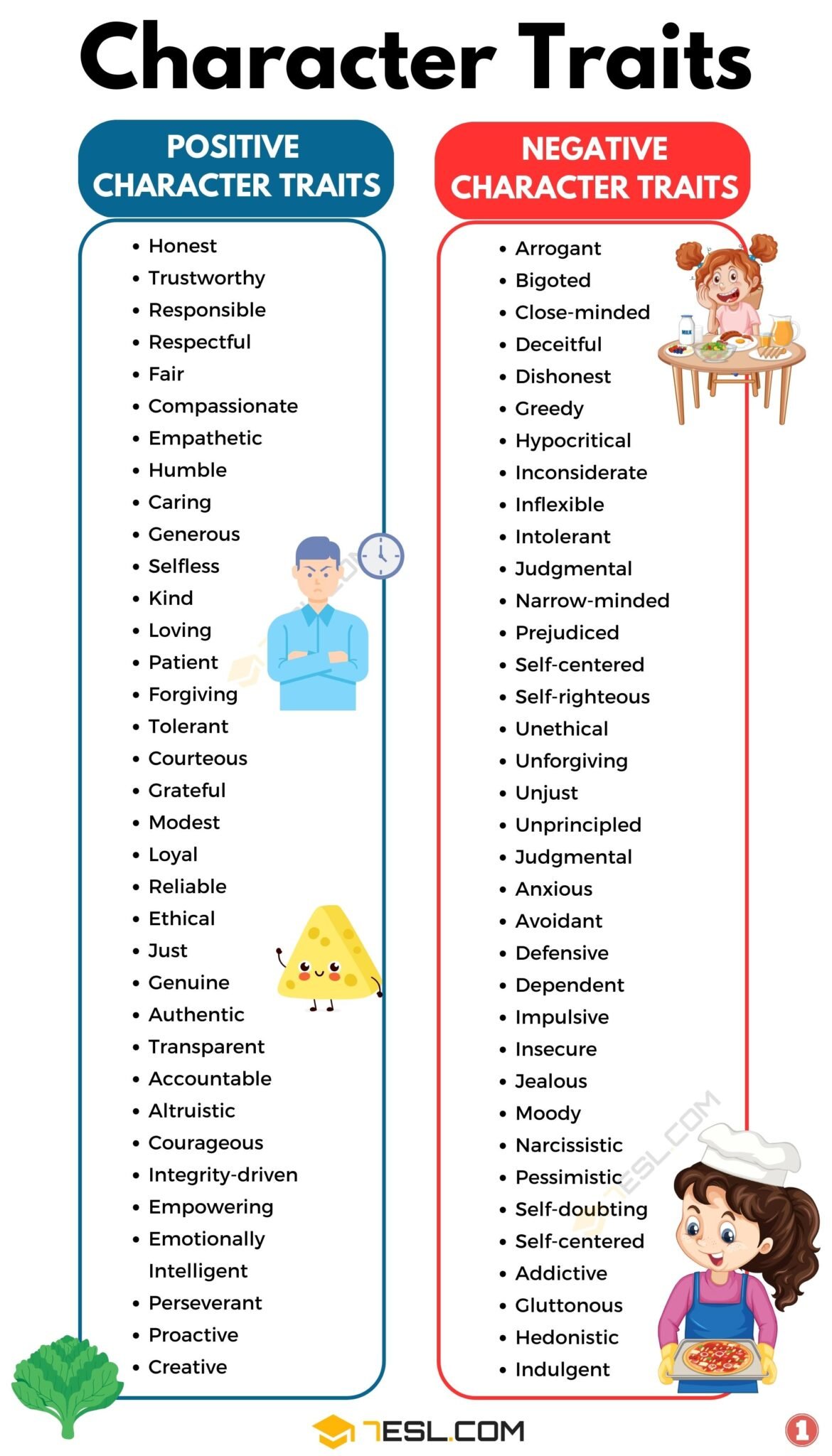
From the quiet moments of reflection to the grand stages of human interaction, our character traits are the unseen architecture of who we are. These deeply ingrained patterns of thought, feeling, and behavior form the very Foundations of Character Traits, shaping not just our individual destinies, but the fabric of our relationships and societies. Understanding them isn't merely an academic exercise; it's a vital tool for self-awareness, personal growth, and navigating the complex tapestry of life.
At a Glance: Decoding Your Character
- Character traits are your internal blueprint: They reveal your personality, drive your actions, and influence every relationship.
- Both positive and negative traits are essential: A blend creates a realistic, dynamic individual, whether in life or in storytelling.
- Balance is paramount: Even virtues can become weaknesses if taken to extremes.
- Character isn't static: It's a journey of growth, shaped by challenges, self-awareness, and a commitment to core values.
- Frameworks like The Big Five and classical virtues offer lenses through which to better understand ourselves and others.
The Unseen Blueprint: Why Character Traits Matter
Every person you meet, every story you read, every decision you make—it all hinges on character. Think of character traits as the fundamental building blocks of personality. They're the qualities that make a person distinctive, influencing how they react to stress, pursue goals, form bonds, and confront moral dilemmas. A character that is well-defined, whether in literature or in real life, is compelling because it feels authentic and complex. It's this blend of virtues and flaws that creates empathy, fuels conflict, motivates action, and ultimately charts a path for profound personal growth.
When we talk about the Foundations of Character Traits, we're delving into the very essence of what makes us tick. These traits aren't just labels; they're the drivers behind our choices, the undercurrents of our emotions, and the compass that guides our actions. A truly memorable character—or indeed, a truly insightful individual—embraces the full spectrum of human nature, recognizing that both our strengths and our shortcomings contribute to our unique identity.
The Dual Spectrum: Navigating Positive and Negative Traits
To truly understand character, we must acknowledge its inherent duality. We are not simply collections of good or bad; rather, we are intricate mosaics of both. This blend of positive and negative traits is what makes us realistic, relatable, and capable of profound change.
The Power of Positive Traits
Positive traits are the virtues that uplift us, inspire others, and drive us towards meaningful goals. They forge resilience in the face of adversity, spark creativity, and strengthen our bonds. Cultivating these qualities not only enriches our own lives but also has a ripple effect on the people and communities around us. They are the bedrock of admirable individuals, the fuel for satisfying personal journeys, and the source of our deepest empathy.
Let's explore some key categories of these foundational strengths:
Emotional Qualities
These traits define how we connect with our inner world and express ourselves empathetically:
- Accepting: Embracing situations and people as they are.
- Affectionate: Showing warmth and care.
- Caring: Feeling and exhibiting concern for others.
- Compassionate: Deeply understanding and sharing the suffering of others, with a desire to help.
- Empathetic: The ability to understand and share the feelings of another.
- Happy: Feeling or showing pleasure or contentment.
- Loving: Feeling or showing great care or affection.
- Sensitive: Quick to detect or respond to slight changes, signals, or influences.
- Warm-hearted: Kind, friendly, and sympathetic.
- Sincere: Free from pretense or deceit; heartfelt.
Intellectual Qualities
These traits reflect our capacity for thought, learning, and innovation:
- Analytical: Able to separate a whole into its parts for examination.
- Articulate: Expressing oneself clearly and effectively.
- Clever: Quick to understand, learn, and devise or apply ideas.
- Brilliant: Exceptionally clever or talented.
- Creative: Using imagination or original ideas to create something.
- Curious: Eager to know or learn something.
- Educated: Having acquired knowledge and developed powers of reasoning.
- Imaginative: Having or showing creativity or inventiveness.
- Genius: Exceptional intellectual or creative power.
- Inquisitive: Excessively curious or eager for knowledge.
- Intelligent: Having or showing intelligence, especially of a high level.
- Knowledgeable: Possessing a wide range of information or instruction.
- Logical: Characterized by or capable of clear, sound reasoning.
- Observant: Quick to notice things.
- Reflective: Deeply or seriously thoughtful.
- Learned: Having or showing profound knowledge.
- Smart: Having or showing quick intelligence or a high mental capacity.
- Thoughtful: Showing consideration for the needs of other people, or engrossed in thought.
- Well-read: Having read widely and acquired extensive knowledge.
- Witty: Showing or characterized by quick and inventive verbal humor.
Interpersonal Qualities
These traits dictate how we interact with others and build connections:
- Agreeable: Pleasant or likable.
- Approachable: Friendly and easy to talk to.
- Charming: Pleasing or delighting.
- Communicative: Eager or willing to talk or impart information.
- Considerate: Showing careful thought for the feelings of others.
- Cooperative: Working jointly with others.
- Friendly: Kind and pleasant.
- Gracious: Courteous, kind, and pleasant.
- Sociable: Willing to mix with others; friendly.
- Supportive: Providing encouragement or emotional help.
- Relational: Pertaining to or involving relation or relationship.
Ethical Qualities
These traits form our moral compass, guiding our sense of right and wrong:
- Ethical: Relating to moral principles or the branch of knowledge dealing with them.
- Fair: Treating people equally without favoritism or discrimination.
- Loyal: Giving or showing firm and constant support or allegiance to a person or institution.
- Genuine: Truly what something is said to be; authentic.
- Honest: Free of deceit and untruthfulness; sincere.
- Honorable: Bringing or deserving honor.
- Just: Based on or behaving according to what is morally right and fair.
- Principled: Acting in accordance with morality and good behavior.
- Respectful: Feeling or showing deference and regard.
- Responsible: Having an obligation to do something, or having control over or care for someone.
- Righteous: Morally right or justifiable.
- Trustworthy: Able to be relied on as honest or truthful.
- Unbiased: Showing no prejudice for or against something; impartial.
Dynamic & Energetic Qualities
These traits describe our drive, enthusiasm, and zest for life:
- Active: Engaged in a particular activity or pursuit.
- Adventurous: Willing to take risks or to try out new methods, ideas, or experiences.
- Ambitious: Having or showing a strong desire and determination to succeed.
- Bold: Showing an ability to take risks; confident and courageous.
- Dynamic: Characterized by constant change, activity, or progress.
- Eager: Strongly wanting to do or have something.
- Energetic: Showing or involving great activity or vitality.
- Enthusiastic: Having or showing intense and eager enjoyment, interest, or approval.
- Expressive: Effectively conveying thought or feeling.
- Fearless: Lacking fear.
- Lively: Full of life and energy; active and outgoing.
- Spirited: Full of energy, enthusiasm, and determination.
- Youthful: Remaining young or vigorous.
Tough & Resilient Qualities
These traits denote our ability to endure, persist, and overcome challenges:
- Brave: Ready to face and endure danger or pain; showing courage.
- Courageous: Not deterred by danger or pain; brave.
- Decisive: (Self-explanatory)
- Determined: Having made a firm decision and being resolved not to change it.
- Diligent: Having or showing care and conscientiousness in one's work or duties.
- Hardworking: Tending to work with intensity and diligence.
- Persistent: Continuing firmly or obstinately in a course of action in spite of difficulty or opposition.
- Resolute: Admirably purposeful, determined, and unwavering.
- Strong: Able to withstand great force or pressure.
- Tenacious: Holding fast to something; persistent.
Leadership & Influential Qualities
These traits are crucial for guiding, inspiring, and empowering others:
- Assertive: Having or showing a confident and forceful personality.
- Confident: Feeling or showing certainty about something.
- Influential: Having great influence on someone or something.
- Leading: Foremost; chief.
- Motivated: Provided with a motive for doing something.
- Proactive: Creating or controlling a situation rather than just responding to it after it has happened.
- Progressive: Happening or developing gradually or in stages; moving forward.
- Strategic: Relating to the identification of long-term or overall aims and interests and the means of achieving them.
Artistic & Expressive Qualities
These traits highlight our creativity, imagination, and aesthetic sensibilities:
- Artistic: Having or revealing an aesthetic sensitivity to art and beauty.
- Creative: (Already mentioned)
- Eloquent: Fluent or persuasive in speaking or writing.
- Expressive: (Already mentioned)
- Imaginative: (Already mentioned)
- Inventive: Having the ability to create or design new things or to think originally.
- Playful: Fond of games and amusement; lighthearted.
- Wondrous: Inspiring a feeling of wonder or delight.
Admirable Personalities
These encompass a broader range of appealing and virtuous characteristics:
- Cheerful: Noticeably happy and optimistic.
- Easygoing: Relaxed and tolerant in attitude or manner.
- Fun-loving: Liking to have fun.
- Kind-hearted: Having a kind and sympathetic nature.
- Level-headed: Calm and sensible.
- Humble: Having or showing a modest or low estimate of one's own importance.
- Idealistic: Characterized by idealism; cherishing or pursuing high or noble principles, goals, or values.
- Inspiring: Having the effect of inspiring someone.
- Noble: Having or showing fine personal qualities or high moral principles.
- Optimistic: Hopeful and confident about the future.
- Patient: Able to accept or tolerate delays, problems, or suffering without becoming annoyed or anxious.
- Peaceful: Free from disturbance; tranquil.
- Pleasant: Giving a sense of happy satisfaction or enjoyment.
- Selfless: Concerned more with the needs and wishes of others than with one's own.
- Spiritual: Relating to or affecting the human spirit or soul as opposed to material or physical things.
- Stable: Not likely to change or fail; firmly established.
- Calm: Not showing or feeling nervousness, anger, or other strong emotions.
- Understanding: The ability to understand something; comprehension.
Reliability & Trust
These traits are fundamental for building trust and stable relationships:
- Dependable: Trustworthy and reliable.
- Disciplined: Showing a controlled form of behavior or way of working.
- Punctual: Happening or doing something at the agreed or proper time; on time.
- Reliable: (Already mentioned)
- Stable: (Already mentioned)
- Trustworthy: (Already mentioned)
Skills & Efficiency
These traits denote competence, effectiveness, and productivity:
- Accomplished: Highly skilled.
- Capable: Having the ability, fitness, or quality necessary to do or achieve a specified thing.
- Competent: Having the necessary ability, knowledge, or skill to do something successfully.
- Efficient: Achieving maximum productivity with minimum wasted effort or expense.
- Helpful: Giving or providing help or assistance.
- Methodical: Done according to a systematic or established procedure.
- Organized: Arranged or structured in a systematic way.
- Productive: Achieving a significant amount or result.
- Skilled: Having or showing the knowledge, ability, or training to perform a certain activity or task well.
- Successful: Having achieved success.
Openness & Adaptability
These traits describe a willingness to embrace new ideas and adjust to change:
- Adaptive: Able to adjust to new conditions.
- Broad-minded: Tolerant of different opinions and lifestyles.
- Flexible: Able to change or be changed easily according to the situation.
- Growth-oriented: Focused on personal or professional development.
- Mindful: Attentive, aware, or careful.
- Open-minded: Willing to consider new ideas; unprejudiced.
- Tolerant: Showing willingness to allow the existence of opinions or behavior that one does not necessarily agree with.
- Versatile: Able to adapt or be adapted to many different functions or activities.
Positive Outlook & Approach
These traits capture an overall optimistic and balanced perspective:
- Positive: Characterized by or expressing certainty or affirmation.
- Uplifting: Inspiring happiness, hope, or optimism.
- Balanced: (Self-explanatory)
Understanding and nurturing these positive traits can significantly impact your personal and professional success. It's often through developing positive habits that these traits become deeply ingrained, shaping your character over time.
The Depth of Negative Traits
While positive traits draw us in, negative traits provide depth and realism. They create the antagonists who challenge our heroes and the flaws that make protagonists relatable. Arrogance, impulsivity, or stubbornness can drive compelling conflicts, raise the stakes, and make the eventual growth of a character all the more profound. A character without flaws risks becoming one-dimensional; it's our struggles and imperfections that often reveal our true humanity.
Let's look at some categories of negative traits:
Emotional Instability
These traits describe a lack of emotional control or a tendency towards distress:
- Agitated: Feeling or appearing troubled or nervous.
- Anxious: Experiencing worry, unease, or nervousness.
- Dramatic: Relating to drama or the performance of plays.
- Emotional: Having feelings that are easily excited and openly displayed.
- Excitable: Responding too readily to stimuli; easily excited.
- Frenetic: Fast and energetic in a rather wild and uncontrolled way.
- Fearful: Feeling or showing fear or apprehension.
- Hysterical: Exhibiting uncontrolled extreme emotion.
- Insecure: Not confident or assured; uncertain and anxious.
- Jittery: Nervous or apprehensive.
- Labile: Liable to change; easily altered.
- Melancholic: A feeling of pensive sadness, typically with no obvious cause.
- Moody: Given to unpredictable changes of mood.
- Nervous: Easily agitated or alarmed.
- Overemotional: Excessively or uncontrollably emotional.
- Overwhelmed: Bury or drown beneath a huge mass of something.
- Paranoid: Characterized by or suffering from the mental condition of paranoia.
- Restless: Unable to rest or relax as a result of anxiety or boredom.
- Tense: In a state of mental or nervous strain.
- Thin-skinned: Easily upset or offended.
- Trembling: Shaking involuntarily, typically as a result of anxiety, excitement, or frailty.
- Worrisome: Causing anxiety or concern.
Arrogance and Superiority
These traits involve an inflated sense of self-importance and disdain for others:
- Arrogant: Having or revealing an exaggerated sense of one's own importance or abilities.
- Boastful: Showing excessive pride and self-satisfaction in one's achievements.
- Conceited: Excessively proud of oneself; vain.
- Haughty: Arrogantly superior and disdainful.
- Know-it-all: A person who professes to know much about everything.
- Narcissistic: Having an excessive interest in or admiration of oneself.
- Patronizing: Apparently kind or helpful but betraying a feeling of superiority.
- Pompous: Affectedly and irritatingly grand, solemn, or self-important.
- Presumptuous: (Of a person or their behavior) failing to observe the limits of what is permitted or appropriate.
- Vain: Having or showing an excessively high opinion of one's appearance, abilities, or worth.
Dishonesty and Deception
These traits involve a lack of truthfulness and integrity:
- Cunning: Having or showing skill in achieving one's ends by deceit or evasion.
- Deceitful: Guilty of or involving deceit; deceiving or misleading others.
- Dishonest: Behaving in an untrustworthy or fraudulent way.
- Two-faced: Insincere and deceitful.
- Liar: A person who tells lies.
- Mendacious: Not telling the truth; lying.
- Shifty: (Of a person or their manner) appearing deceitful or evasive.
- Sly: Having or showing a cunning and deceitful nature.
- Untrustworthy: Not able to be relied on as honest or truthful.
Antisocial Behavior
These traits involve hostility, aggression, and a disregard for social norms:
- Abusive: Using or involving physical violence or injury.
- Aggressive: Ready or likely to attack or confront.
- Aloof: Not friendly or forthcoming; cool and distant.
- Antisocial: Not sociable; not wanting to associate with others.
- Belligerent: Hostile and aggressive.
- Brutal: Savagely violent.
- Intimidating: Frightening or overawing someone, especially in order to make them do what one wants.
- Criminal: Relating to crime.
- Cruel: Willfully causing pain or suffering to others.
- Destructive: Causing great and irreparable damage.
- Hostile: Unfriendly; antagonistic.
- Jealous: Feeling or showing envy of someone or their achievements and advantages.
- Malicious: Characterized by malice; intending or intended to do harm.
- Manipulative: Characterized by unscrupulous control of a situation or person.
- Ruthless: Having or showing no pity or compassion for others.
- Sadistic: Deriving pleasure from inflicting pain, suffering, or humiliation on others.
- Violent: Using or involving physical force intended to hurt, damage, or kill someone or something.
Judgmental and Narrow-Minded
These traits reflect intolerance and an inability to see beyond one's own perspective:
- Bigoted: Having or revealing an obstinate belief in the superiority of one's own opinions and a prejudiced intolerance of the opinions of others.
- Dogmatic: Inclined to lay down principles as incontrovertibly true.
- Intolerant: Not tolerating or respecting beliefs, opinions, usages, etc., different from one's own.
- Judgmental: Having an excessively critical point of view.
- Narrow-minded: Not willing to listen to or tolerate other people's views.
- Xenophobic: Having or showing a dislike of or prejudice against people from other countries.
Indifference and Rudeness
These traits signify a lack of concern, empathy, or basic respect:
- Blunt: (Of a person or remark) uncompromisingly forthright.
- Blustering: Talking in a loud, aggressive, or indignant way with little effect.
- Callous: Showing or having an insensitive and cruel disregard for others.
- Careless: Not giving sufficient attention or thought to avoiding harm or error.
- Disrespectful: Showing a lack of respect or courtesy.
- Inattentive: Not paying attention.
- Insensitive: Showing or feeling no concern for others' feelings.
- Obnoxious: Extremely unpleasant.
- Uncaring: Not displaying sympathy or concern for others.
- Uncharitable: Lacking in generosity or sympathy.
- Unfriendly: Not friendly.
Laziness and Irresponsibility
These traits involve a lack of drive, diligence, or accountability:
- Apathetic: Showing or feeling no interest, enthusiasm, or concern.
- Complacent: Showing smug or uncritical satisfaction with oneself or one's achievements.
- Idle: (Of a person) avoiding work; lazy.
- Lazy: Unwilling to work or use energy.
- Procrastinator: A person who habitually puts off doing things.
- Irresponsible: Not showing a proper sense of responsibility.
- Undisciplined: Lacking in discipline or training.
Insecurity and Lack of Confidence
These traits stem from a low self-esteem and fear:
- Cowardly: Lacking courage.
- Insecure: (Already mentioned)
- Shy: Reserved or reticent in social situations.
- Unconfident: Not feeling or showing confidence.
Pessimism and Negativity
These traits involve a tendency to expect the worst and focus on the bad:
- Bitter: Having a sharp, pungent taste or smell; not sweet.
- Cynical: Believing that people are motivated by self-interest.
- Negative: Not positive or constructive.
- Pessimistic: Tending to see the worst aspect of things or believe that the worst will happen.
- Resentful: Feeling or expressing bitterness or indignation at having been treated unfairly.
- Sullen: Bad-tempered and sulky; gloomy.
Impulsivity and Lack of Self-Control
These traits describe a tendency to act without thinking or planning:
- Compulsive: Resulting from or relating to an irresistible urge.
- Impatient: Having or showing a tendency to be quickly irritated or annoyed.
- Impetuous: Acting or done quickly and without thought or care.
- Impulsive: Acting or done without forethought.
- Reckless: Heedless of danger or the consequences of one's actions; rash.
Immaturity and Childishness
These traits signify a lack of adult responsibility or emotional development:
- Foolish: Lacking good sense or judgment; unwise.
- Frivolous: Not having any serious purpose or value.
- Immature: Not fully developed; childish.
- Childish: Of, like, or appropriate to a child.
- Silly: Having or showing a lack of common sense or judgment; absurd and foolish.
Selfishness
These traits center around an excessive concern for oneself over others:
- Egotistical: Excessively conceited or absorbed in oneself; self-centered.
- Hedonistic: Engaged in the pursuit of pleasure; pleasure-seeking.
- Self-centered: Preoccupied with oneself and one's affairs.
- Self-destructive: Behaving in a way that is likely to cause harm to oneself.
- Selfish: Lacking consideration for others; concerned chiefly with one's own personal profit or pleasure.
Odd Behavior
These traits describe unusual or unconventional manners:
- Eccentric: (Of a person or their behavior) unconventional and slightly strange.
- Idiosyncratic: Peculiar or individual.
- Quirky: Characterized by peculiar or unexpected traits or aspects.
- Strange: Unusual or surprising in a way that is unsettling or hard to understand.
Misguided Beliefs and Attitudes
These traits stem from distorted or extreme ideologies:
- Amoral: Lacking a moral sense; unconcerned with the rightness or wrongness of something.
- Fanatical: Filled with excessive and single-minded zeal.
- Zealot: A person who is fanatical and uncompromising in pursuit of their religious, political, or other ideals.
- Bigoted: (Already mentioned)
General Negative Attitudes and Behaviors
This category catches various other undesirable traits:
- Angry: Having a strong feeling of annoyance, displeasure, or hostility.
- Annoying: Causing irritation or annoyance.
- Arbitrary: Based on random choice or personal whim, rather than any reason or system.
- Artificial: (Of a person's behavior) feigned or insincere.
- Awkward: Causing difficulty; hard to do or deal with.
- Blunt: (Already mentioned)
- Careless: (Already mentioned)
- Crude: Not refined or subtle.
- Difficult: Needing much effort or skill to accomplish, deal with, or understand.
- Disruptive: Causing or tending to cause disruption.
- Disorganized: Lacking order or systematic arrangement.
- Distracted: Unable to concentrate because one's mind is preoccupied.
- Distraught: Deeply upset and agitated.
- Dominating: Having a commanding influence on; exercising control over.
- Envious: Feeling or showing envy.
- Unstable: Not stable or steady.
- Greedy: Having an excessive desire for wealth or possessions.
- Harsh: Unpleasantly rough or jarring to the senses.
- Ignorant: Lacking knowledge or awareness in general.
- Inappropriate: Not suitable or proper in the circumstances.
- Inconsistent: Not staying the same throughout.
- Insincere: Not expressing genuine feelings.
- Uncontrolled: Not restrained or managed.
- Irritable: Having or showing a tendency to be easily annoyed or made angry.
- Malicious: (Already mentioned)
- Mischievous: Causing or intended to cause harm or trouble.
- Morbid: Characterized by or appealing to an abnormal and unhealthy interest in disturbing and unpleasant subjects.
- Obstinate: Stubbornly refusing to change one's opinion or chosen course of action.
- Overbearing: Unpleasantly overwhelming.
- Passive-aggressive: Characterized by indirect resistance to the demands of others and an avoidance of direct confrontation.
- Petty: Of little importance; trivial.
- Phony: Not genuine; fake.
- Stubborn: (Already mentioned)
- Superficial: Existing or occurring at or on the surface.
- Unethical: Not morally correct.
- Ungrateful: Not feeling or showing gratitude.
- Unhelpful: Not helpful.
- Unimaginative: Not showing or using imagination; dull.
- Unintelligent: Lacking intelligence.
- Unkind: Not kind; inconsiderate.
- Unreliable: Not able to be relied upon.
- Unsympathetic: Not feeling, showing, or expressing sympathy.
- Unwise: Not wise; foolish.
- Vindictive: Having or showing a strong or unreasoning desire for revenge.
- Weak: Lacking the power to perform effectively.
- Whiny: Inclined to complain or whine.
Acknowledging and understanding these traits, both in ourselves and others, is a crucial step towards growth. Instead of denying their existence, we can learn to manage and mitigate their impact, turning potential weaknesses into opportunities for self-mastery. For those interested in deeper self-exploration, understanding different personality types can offer valuable insights into how these traits cluster and manifest.
Beyond Black and White: The Nuance of Character Development
The magic of character doesn't lie in possessing a list of positive traits and avoiding all negative ones. Instead, it lies in the dynamic interplay between them, the internal battles, and the journey of growth. Unforgettable characters, whether in fiction or in life, are not perfect; they are multidimensional, embodying the full spectrum of humanity.
The Art of Balance: When Virtues Become Vices
Here's a critical insight: even the most admirable positive traits can morph into weaknesses when taken to an extreme. Think of it this way:
- Honesty is a virtue, but extreme honesty without tact can become rudeness or insensitivity.
- Courage is inspiring, yet excessive courage can turn into recklessness, putting oneself and others in unnecessary danger.
- Generosity is kind, but boundless generosity without self-preservation can lead to personal depletion or enable others' irresponsibility.
- Diligence is admirable, but over-diligence can lead to burnout, perfectionism, and an inability to delegate.
The true art of character development lies in finding this delicate balance. It's about recognizing when a strength is becoming a liability and making conscious adjustments. This self-awareness is a cornerstone of emotional intelligence and mature character.
The Journey of Growth: Strong Character & Mental Fortitude
Great characters aren't born; they're forged through experience and adversity. This journey involves learning to navigate the tension between strengths and weaknesses, overcoming challenges, and staying true to one's core values. This is where strong character traits come into play – qualities like resilience, integrity, and perseverance that enable someone to weather storms and adapt.
At the heart of this growth is mental strength—the ability to effectively manage emotions, maintain focus on goals, and adapt gracefully to difficulties. Individuals with strong mental fortitude:
- Take responsibility for their actions and choices.
- Embrace change rather than resisting it.
- Learn from setbacks, viewing them as lessons, not failures.
- Practice self-discipline, making choices aligned with long-term goals.
- Cultivate a positive mindset, even in challenging circumstances.
This continuous process of reflection, learning, and adaptation is what makes a character truly compelling and, in a personal sense, what makes a life well-lived. It's a testament to the fact that our character is not a fixed monument, but a living, evolving entity. Embracing this perspective is a key step in strategies for self-improvement for anyone seeking personal excellence.
Mapping the Inner World: Key Frameworks for Understanding Traits
While personal introspection is vital, psychologists and philosophers have developed powerful frameworks to help us systematically understand character traits. These models offer a common language and a structured approach to analyzing the multifaceted nature of human personality.
The Big Five Personality Traits (OCEAN)
Perhaps the most widely accepted and scientifically validated model for understanding personality, the Big Five (often remembered by the acronym OCEAN) provides a comprehensive snapshot of an individual's core traits. These five broad dimensions describe personality at a high level:
- Openness to Experience: This trait reflects a person's willingness to embrace new ideas, experiences, and unconventional thinking.
- High Openness: Creative, curious, imaginative, adventurous, open-minded, appreciative of art and new experiences.
- Low Openness: Conventional, cautious, prefer routine, pragmatic, resistant to change.
- Conscientiousness: This dimension relates to self-discipline, organization, and a sense of duty.
- High Conscientiousness: Organized, responsible, diligent, disciplined, ambitious, achievement-oriented.
- Low Conscientiousness: Impulsive, careless, disorganized, less goal-oriented, easily distracted.
- Extraversion: This trait indicates how outgoing and social an individual is, and how much they seek stimulation from outside themselves.
- High Extraversion: Sociable, energetic, assertive, talkative, seek excitement, enjoy large groups.
- Low Extraversion (Introversion): Reserved, solitary, reflective, prefer quiet environments, gain energy from alone time.
- Agreeableness: This dimension measures how cooperative, empathetic, and compassionate a person is.
- High Agreeableness: Kind, empathetic, cooperative, trusting, compassionate, polite.
- Low Agreeableness: Skeptical, competitive, argumentative, less sympathetic, can be perceived as cold.
- Neuroticism: This trait reflects emotional stability and resilience versus a tendency towards negative emotions like anxiety, anger, and mood swings.
- High Neuroticism: Anxious, prone to mood swings, irritable, easily stressed, often worry.
- Low Neuroticism: Emotionally stable, calm, resilient, secure, less prone to emotional outbursts.
The Big Five offers a powerful lens for self-assessment and for understanding others, revealing the broad strokes of our individual differences.
The Enduring Power of Virtues
Beyond psychological models, classical philosophy and moral traditions offer another potent framework: virtues. Virtues are moral qualities that guide a person's behavior, representing excellence in character. They are often seen as ideals to strive for, embodying the best of human nature. While lists of virtues vary across cultures and eras, some universally recognized examples include:
- Wisdom: The ability to use knowledge, experience, understanding, and common sense to make sound decisions.
- Courage: The mental or moral strength to venture, persevere, and withstand danger, fear, or difficulty.
- Justice: Fairness in the way people are treated.
- Temperance: Moderation or self-restraint, especially in eating and drinking.
- Humanity: Compassion, benevolence, and empathy towards others.
- Transcendence: The ability to connect to something larger than oneself, fostering appreciation, gratitude, and hope.
Focusing on virtues provides a moral compass for character development, encouraging us to not just understand who we are, but who we aspire to be. The role of character traits in our interpersonal dynamics is profound, especially when considering the vital role of empathy in our connections.
Cultivating Your Character: Practical Steps for Self-Reflection and Growth
Understanding the Foundations of Character Traits is only the first step. The real journey lies in consciously cultivating the character you wish to embody. This isn't about overnight transformation, but a consistent commitment to self-awareness and intentional growth.
1. Identify Your Core Traits
Start with honest self-reflection.
- List your top 3-5 positive traits: What are your undeniable strengths? Are you genuinely empathetic, incredibly disciplined, or remarkably creative? Think about when these traits shine brightest.
- Acknowledge your top 3-5 negative traits: Where do you struggle? Are you prone to procrastination, quick to anger, or overly critical? Be specific. This isn't about self-criticism, but self-awareness.
- Seek external feedback: Ask trusted friends, family, or mentors for their honest observations. Sometimes others see aspects of our character we're blind to. You might even find it helpful to use tools that can help uncover fascinating character possibilities for self-assessment.
2. Leverage Strengths, Address Weaknesses
Once you have a clearer picture:
- Amplify your strengths: How can you use your positive traits more effectively? If you're highly organized, can you mentor someone who struggles with it? If you're empathetic, can you lean into a role that requires strong interpersonal skills?
- Mitigate your weaknesses: For each negative trait, consider a small, actionable step. If you procrastinate, try breaking down tasks into smaller chunks. If you're quick to anger, practice mindfulness or deep breathing exercises when you feel a trigger. The goal isn't elimination, but management and reduction.
- Find balance: Identify areas where a virtue might be tipping into a vice. If your dedication to work is causing burnout, practice setting boundaries. If your honesty is hurting others, work on delivering feedback with more tact and compassion.
3. Embrace Change and Resilience
Character development is an ongoing process, not a destination.
- View challenges as opportunities: Every setback, every conflict, every uncomfortable situation is a chance to practice desired traits or learn to manage difficult ones. Can you demonstrate patience under pressure? Can you show resilience in the face of failure?
- Practice self-compassion: You will make mistakes. You will revert to old patterns. That's part of being human. Instead of harsh self-judgment, acknowledge the slip, learn from it, and recommit to your path.
- Continuously learn: Read books on personal development, psychology, and philosophy. Engage in meaningful conversations. The more you understand about yourself and human nature, the better equipped you'll be to refine your character.
Common Questions About Character Traits
Are character traits innate or learned?
It's a mix of both! While some aspects of our temperament and personality might have a genetic component (like aspects measured by the Big Five), many character traits are significantly shaped by our upbringing, experiences, culture, and conscious choices. We continuously learn, adapt, and refine our character throughout life.
Can a person truly change their fundamental character?
Yes, absolutely. While core aspects might be stable, character is dynamic. Significant life events, conscious effort, therapy, and new relationships can all lead to profound shifts in character traits. It's a journey of evolution, not a fixed state.
How do character traits differ from personality traits?
The terms are often used interchangeably, but there's a subtle distinction. "Personality traits" (like the Big Five) often describe habitual patterns of behavior, thought, and emotion. "Character traits" often carry a moral or ethical connotation, reflecting how we act in accordance with our values and our capacity for moral reasoning and integrity. Character is often seen as the moral dimension of personality.
What makes a character "strong"?
A strong character isn't necessarily flawless. Instead, it refers to individuals who possess resilience, integrity, courage, and a deep sense of their core values. They demonstrate the mental fortitude to face adversity, learn from mistakes, and remain true to themselves, even when it's difficult.
Is it better to have more positive traits than negative ones?
While an abundance of positive traits is generally desirable, a character entirely devoid of "negative" traits can feel unrealistic or uninteresting. The most compelling characters (and people) often have flaws they grapple with. The key is balance and the journey of growth—learning to manage or overcome those negative tendencies, not pretending they don't exist.
Building a Stronger You: Your Path Forward
Our character traits are the stories we tell the world without uttering a single word. They dictate our reactions, define our relationships, and ultimately, shape our legacy. By actively exploring the Foundations of Character Traits, you gain invaluable insight into yourself and others, empowering you to navigate life with greater intention and authenticity.
The journey of character development is a lifelong pursuit—one filled with self-discovery, challenges, and immense rewards. It's about striving to embody your best self, not through forced perfection, but through a conscious commitment to growth, balance, and unwavering integrity. Embrace this journey, and you'll not only understand your true nature but also unlock the potential to shape it into something truly extraordinary.